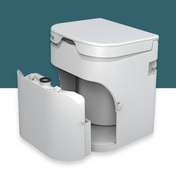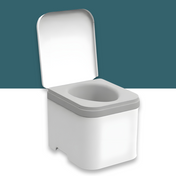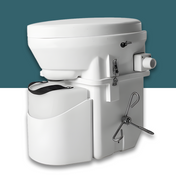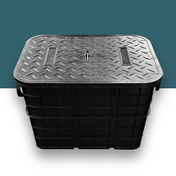

Ever tried explaining to your city mates why you don’t need a flush toilet to live comfortably?
Once they see a modern compost toilet in action, they usually go from “no thanks” to “actually… that’s pretty clever.”
Off grid living isn’t fringe anymore. Across Australia, from bush blocks to beach shacks, tiny homes and touring caravans, more people are opting for practical, waterless sanitation. The future trends in composting toilets show this shift is only gaining momentum.
Let’s unpack what’s changing, what’s improving, and what it means for your setup.
Why Are Composting Toilets Evolving So Quickly?
Three big pressures are driving innovation:
- Water scarcity in many parts of Australia
- Stricter building and environmental standards
- Higher buyer expectations for comfort and reliability
People don’t just want “it works.” They want low smell, low maintenance, and something that looks like it belongs in a finished bathroom, not a shed.
That’s exactly where modern compost toilets are heading.
What Does “Smarter Design” Actually Mean?
When we talk about smarter composting toilets, we’re not talking about complicated tech. We’re talking about systems that are easier to live with long-term.
Advanced Airflow and Odour Control
Good ventilation is the secret sauce. Newer systems use improved airflow design to:
- Regulate moisture
- Speed up composting
- Minimise odour
The difference between older models and modern designs often comes down to vent layout and fan efficiency.
💡 Important: Always install ventilation exactly as specified by the manufacturer. Incorrect pipe sizing or vent placement can affect performance and may not meet local building requirements.
Improved Waste Separation Systems
Separating liquid and solid waste more efficiently:
- Reduces smell
- Speeds up composting
- Lowers emptying frequency
This is especially important if you’re looking for the best composting toilet for an off grid cabin or a permanent setup where reliability matters.
Built for Harsh Aussie Conditions
Australia isn’t gentle on materials. Modern systems now commonly feature:
- UV-resistant plastics
- Corrosion-resistant components
- Stronger housing for transport and heat
If you’re coastal, remote, or inland where temps swing hard, durability isn’t optional.
Are Compact and Portable Systems the Future?

Short answer? Yes.
Living spaces are getting smaller and more mobile. Toilets need to keep up. Modern compost toilets are lighter, more compact, and easier to integrate into different layouts without compromising performance.
Portable Composting Toilets for Flexible Setups
A portable composting toilet gives you independence from plumbing and dump points.
They are ideal for:
- Temporary off grid stays
- Remote worksites
- Camper trailers
- Touring setups
No blackwater tank. No stress hunting for a dump point.
What's the Best Composting Toilet for a Tiny House Australia Setup?
For the best composting toilet for an off grid cabin or tiny home, buyers usually care about:
- Small footprint
- Efficient separation
- Easy emptying
- Quiet fan operation
It needs to feel like part of the home, not a compromise.
💡Important: Assess weight limits, ventilation routing, and available space before installation. Review product specifications to ensure suitability.
Composting Toilets for Caravans and RVs
Composting toilets for caravans are growing in popularity because they:
- Reduce water use
- Eliminate cassette emptying
- Simplify long trips
They are designed for tight spaces while still maintaining separation and ventilation performance.

How Are Toilets Adapting to the Australian Climate?
Reliable operation in extreme weather is a growing focus in the future trends in composting toilets.
Designed for Heat and Humidity
Newer systems better manage airflow and the moisture levels to maintain steady composting performance in warm conditions.
Ventilation Built for Variable Conditions
Improved vent designs help maintain odour control even when temperatures change.
Durable Materials for Long-Term Exposure
In bushfire-prone or coastal areas, you’ll need to consider:
- Compliant roof penetrations
- Ember-resistant components
- UV Durability
💡Important: Always check with your local council and state building regulations before installation, especially in bushfire zones.
Why Is the Modern Compost Toilet Becoming Mainstream?

A modern compost toilet removes the need for flushing altogether.
That means:
- Zero water waste
- No septic trenching
- Reduced infrastructure costs
- Simpler installation in remote areas
For rural properties, that can be a massive saving.
Reducing Dependence on Septic System
Traditional wastewater systems require:
- Excavation
- Ongoing inspections
- Long-term maintenance
A self-contained compost toilet is a practical alternative for many properties.
Supporting Closed-Loop Waste Systems
When managed correctly and disposed of according to regulations, composting systems:
- Break down waste naturally
- Minimise environmental impact
- Reduce water usage dramatically
Continuous composting systems are particularly suited to permanent homes where long-term capacity and efficiency are priorities.
💡Important: Compost handling and disposal must follow local health and environmental guidelines. Check council requirements before use or disposal of composted material.
What These Future Trends Mean for You?

These future trends in composting toilets mean better performance and more flexibility. The key is choosing a system that matches your property type and usage needs.
Best Composting Toilet for an Off Grid Cabin
Look for:
- Strong ventilation
- Durable materials
- Capacity suited to the number of users
- Easy maintenance access
Tiny House Setup
Prioritise:
- Compact design
- Quiet operation
- Efficient waste separation
- Simple emptying process
Caravans and Mobile Living
Consider:
- Weight limits
- Power requirements
- Secure mounting options
- Vent routing flexibility
Permanent Rural Homes
Focus on:
- Council compliance
- Long-term durability
- Continuous composting capacity
💡Important: Before purchasing, review manufacturer specifications carefully and confirm the system suits your property and local regulations.
FAQs – Real Questions People Ask
Q: Do composting toilets smell?
A: When installed and ventilated correctly, they shouldn’t. Most odour issues come from poor airflow or incorrect installation. Learn more in our guide to odour-free composting toilets.
Q: Are compost toilets legal in Australia?
A: In many areas, yes, but approval requirements vary by council. Always check local regulations.
Q: How often do you empty one?
A: It depends on usage and capacity. Portable units may need more frequent emptying than continuous systems in permanent homes.
Q: Are they suitable for full-time living?
A: Modern systems absolutely can be, provided they're sized correctly and installed properly.
So, What’s Next?
The future trends in composting toilets are clear:
- Smarter airflow
- Better separation
- Stronger materials
- Compact designs
- Climate-ready performance
Compost toilets are moving from niche to normal, and for many Aussie properties, they’re simply practical.
If you’re keen to see what might suit your setup, have a browse through the range and compare specs. No pressure, just solid information so you can choose what works best for your block, build or rig.